
Comparing Rome’s Historic Marvels: Which Landmark Tells the Best Story?


The Colosseum: A Symbol of Power and Entertainment
Rome's Colosseum is an architectural masterpiece that stands as a testament to the might of the Roman Empire. Built in AD 80, this iconic amphitheater hosted gladiatorial contests, public spectacles, and theatrical performances. It could hold up to 80,000 spectators, showcasing the advanced engineering skills of ancient Rome.
The Colosseum was more than just an entertainment venue; it was a political tool used to demonstrate the power and generosity of the emperors. These events provided free entertainment to the masses, reinforcing the emperor's image as a benevolent ruler.
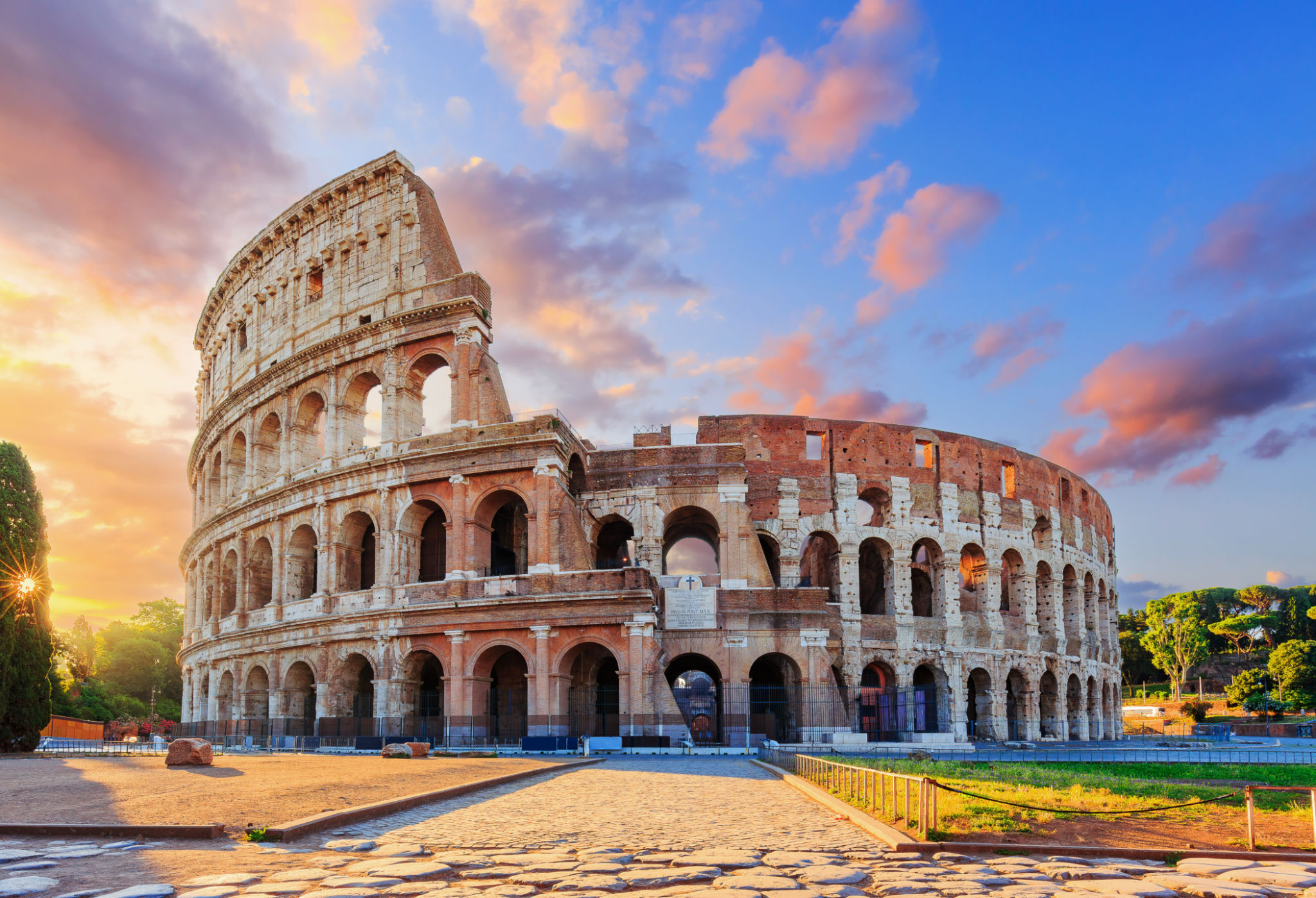
Today, the Colosseum remains one of the most visited landmarks in Rome, drawing millions of tourists each year. Its story of grandeur and spectacle continues to captivate those who walk through its ancient corridors.
The Roman Forum: The Heart of Ancient Rome
The Roman Forum was the political, social, and economic center of ancient Rome. This rectangular plaza was home to important government buildings, temples, and markets, serving as the hub of daily life in the city.
Walking through the ruins of the Forum is like stepping back in time. Visitors can explore remnants of the Senate House, the Temple of Saturn, and the Arch of Septimius Severus, among others. Each structure tells a story of Rome's complex political history and societal norms.

The Forum's significance extends beyond its physical structures. It was the site of public speeches, criminal trials, and gladiatorial matches, making it the true epicenter of Roman life and culture.
The Pantheon: A Marvel of Ancient Engineering
The Pantheon is renowned for its architectural brilliance, particularly its massive dome. Originally built as a temple for all Roman gods, it was later converted into a Christian church. The Pantheon's dome remains the largest unreinforced concrete dome in the world, a testament to the ingenuity of Roman engineering.
One of the most fascinating aspects of the Pantheon is its oculus, a circular opening at the dome's apex. This feature allows natural light to illuminate the building's interior, creating a celestial atmosphere that has inspired awe for centuries.
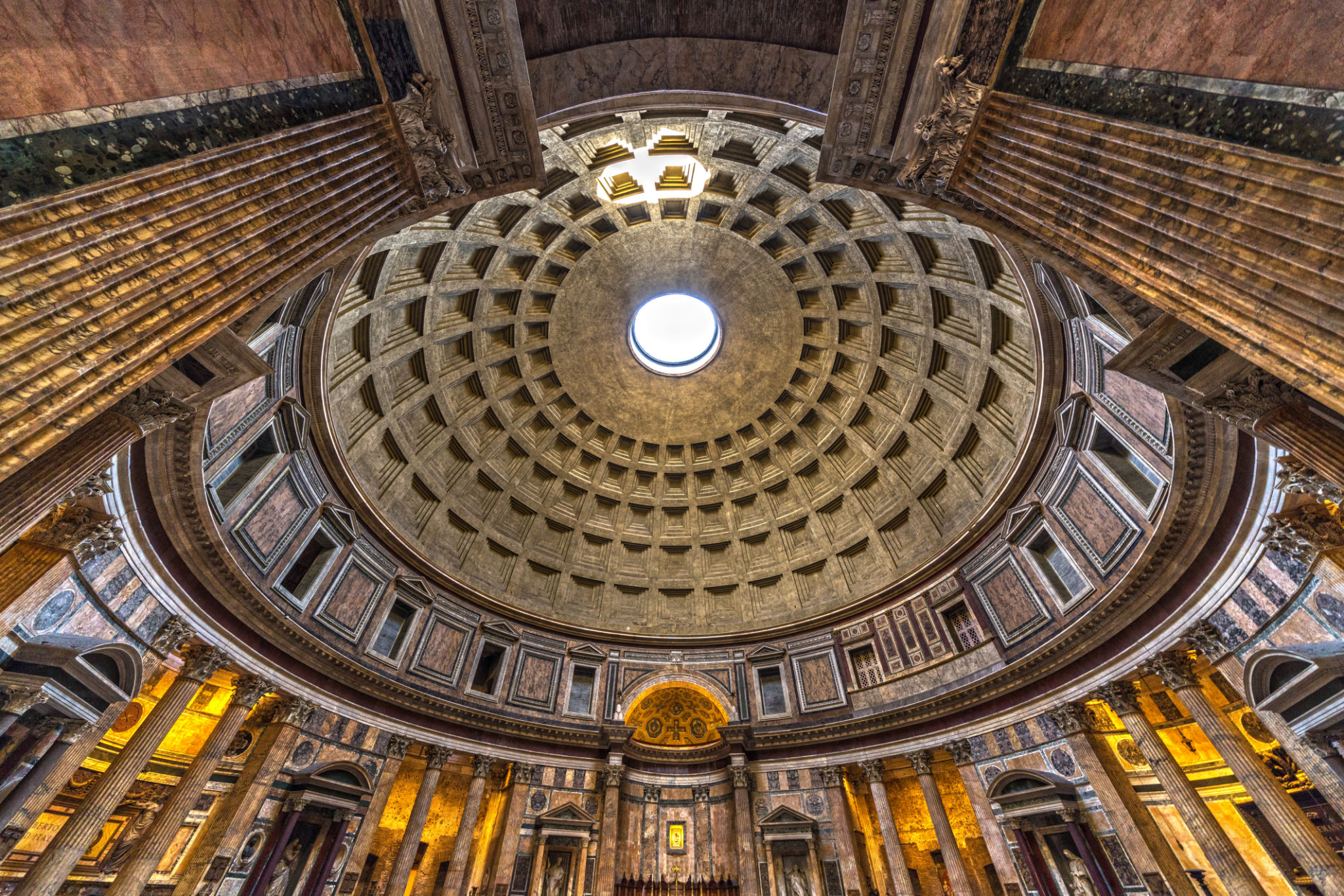
The Pantheon's story is one of adaptation and survival, having withstood the test of time and transformed through different eras of history. It continues to be a source of inspiration for architects and visitors alike.
The Vatican: A Spiritual and Artistic Epicenter
While technically a separate city-state, the Vatican is an integral part of Rome's historic landscape. Home to St. Peter's Basilica and the Vatican Museums, this sacred site is a center of spiritual authority and artistic achievement.
St. Peter's Basilica, with its breathtaking architecture and Michelangelo's Pietà, is a masterpiece of Renaissance art. The Vatican Museums house an unparalleled collection of art and historical artifacts, including the renowned Sistine Chapel ceiling painted by Michelangelo.
The Vatican's story is deeply intertwined with the history of Christianity and the papacy, making it a landmark of profound religious significance and a keeper of some of the world's greatest artistic treasures.

Conclusion: Which Landmark Tells the Best Story?
Choosing the landmark that tells the best story in Rome is a subjective endeavor, as each site offers a unique glimpse into the city's illustrious past. The Colosseum speaks of power and entertainment, the Roman Forum of political life, the Pantheon of engineering marvels, and the Vatican of spiritual and artistic achievements.
Each landmark has its own tale to tell, shaped by the events and people that have passed through its halls. Whether you're drawn to the grandeur of the Colosseum or the spiritual depth of the Vatican, Rome's historic marvels offer endless stories waiting to be discovered.